Endowus expanded into Hong Kong by launching the Singapore core product, clearing the regulatory work and adding a Traditional Chinese translation layer. While fast, this approach exported Singapore’s implicit assumptions as platform defaults and resulted in an experience that lacked local nuances.
As design lead across both markets for three years, I audited our experiences to find where these defaults were creating friction and risk, then guided team roadmaps as Hong Kong-specific behaviour was integrated incrementally, balancing local need against platform complexity.
Role
Product design lead in a team of 4
Company
Endowus
Timeline
2023 – 2026
Tags
Product strategy, Localisation, Interaction design, Service design
– Featured highlight 1 –
Taking charge on an onboarding funnel no single team owned
Since launch, issues and opportunities in the onboarding funnel were addressed haphazardly, and only when raised repeatedly. The funnel sits on a shared platform, so its problems belong to everyone and therefore to no one. Seeing the gaps, I led a more systematic approach.
Step 1
Collate everything into one visible place
I ran a journey audit across the Hong Kong funnel, from pre-onboarding to post-funded, classifying every friction point by impact.
Since launch, over 2 years of HK client feedback existed, scattered across Slack, client advisor conversations and ops escalations. I used AI to consolidate historical feedback from public channels into a structured list.
Step 2
Stakeholder engagement and alignment of priorities
I facilitated a session with exec stakeholders to review the collated items and agree on prioritisation, then land what Product would carry versus what could be taken further by the Client Experience and Marketing teams, and what required product and engineering team support.
Auditing the onboarding experience and gathering ideas

Identified themes

Value clarity
Understand what we offer, why it matters, why us. Do clients understand why they should proceed?

Human touchpoints
HK clients value a personal touch. Do clients feel supported here?

Frictionless flow
Are all the steps in this flow as smooth and intuitive as possible within regulatory constraints?

Findability
Right content, right place, right time. Can clients find what they need here?
Managing criticality and priorities

Outcomes
Alongside product improvements, many items sat with Client Experience or Marketing, which meant the design team could not resolve them by designing better screens. What we could do was put everything in one place with impact and ownership attached to each line, so the teams who owned them could see them alongside everything else.
UX improvements and opportunities continued to inform key items on the HK product roadmap: waiting room enhancements, optional document upload.
Marketing's next-best-action content shipped, at a click rate near 10%.
Appointment bookings through the platform stayed stagnant, as the client advisor team moved towards an upstream approach of reaching out to clients, through events and proactive contact upon registration.
– Featured highlight 2 –
Introducing new currency models for Hong Kong clients
Most clients in Singapore hold and invest in SGD, so the product never needed to distinguish display currency from investment currency.
In Hong Kong they are almost never the same. Clients hold HKD, most products on the platform are USD-denominated, and nearly every transaction involves a conversion.
The gap was not specific to Hong Kong. Singapore had never needed a currency model, so the platform did not have one. Hong Kong was just the first market where it mattered.
Fix either side of the conversion
Conversions run on an indicative rate, so a client converting HK$39,000 could not know where they would land. Now they can set either amount: sell HK$39,000, or buy exactly US$5,000, with a buffer covering the difference.
Anchoring on the amount that matters
The most obvious way was to build a "fix buy" or "fix sell" toggle, chosen before conversion starts, but it was an unnecessary extra mental step. Clients do not arrive thinking "I am doing a fix buy conversion". They arrive thinking "I need five thousand US dollars".
I proposed that the direction should follow whichever field they type into, and the interface makes the switch legible as it happens instead of asking anyone to configure it first. Different visual indicators were used to help emphasise that the amount was indicative.

Visual callouts
Auto currency conversion within investment flow
Funding an investment in another currency used to start with a separate conversion. We moved the conversion into the investment flow itself.

Understand portfolio performance independent from currency impact
Aggregate figures stayed in display currency, but goal-level figures switched to the fund's own currency. This gives a more accurate representation of how the investment is doing, especially when currency movements are big.

– Featured highlight 3 –
Traditional Chinese not as a translation layer, but as architecture
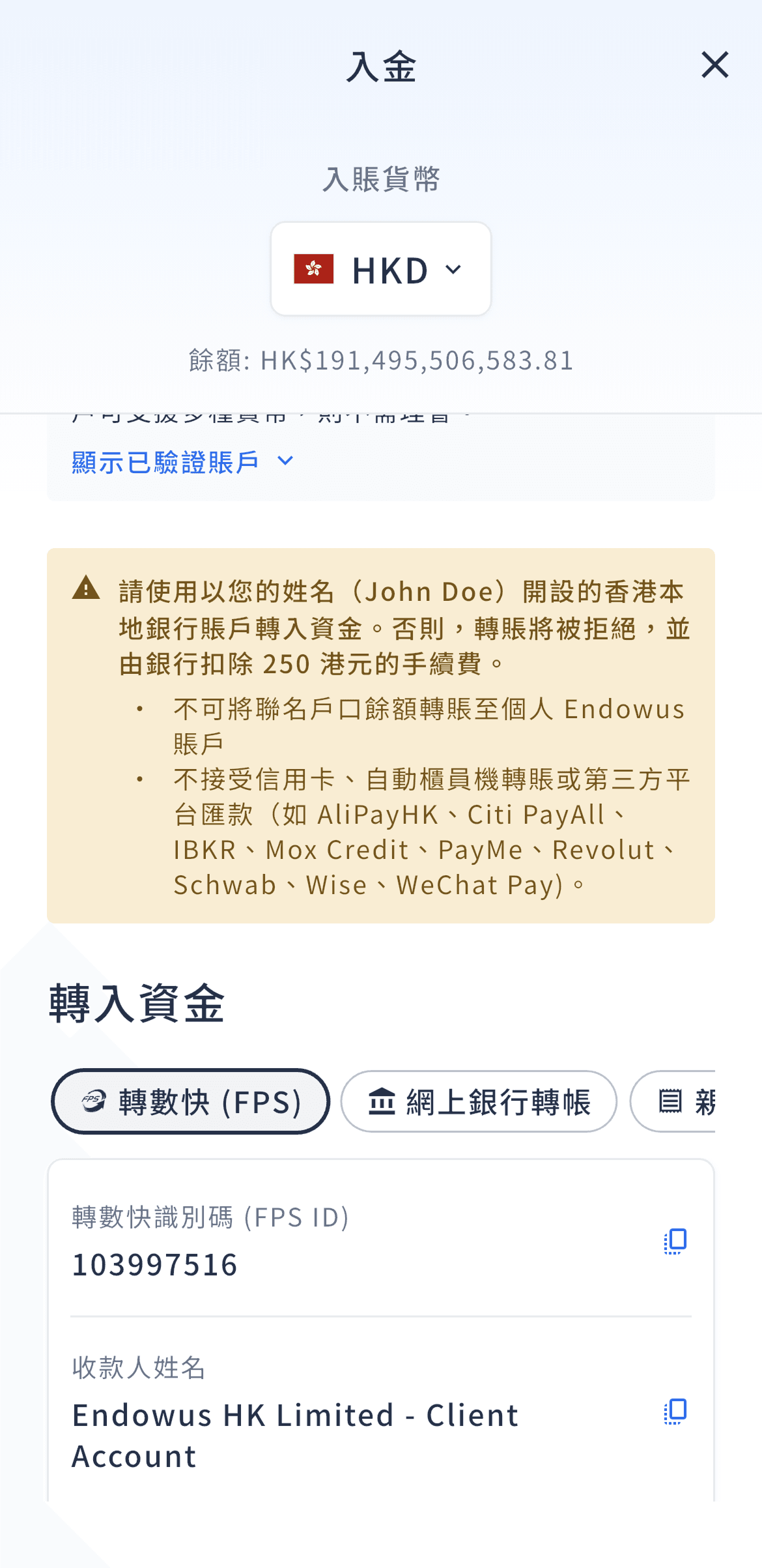
The Traditional Chinese platform was built by translating English strings one by one. This meant that copy ended up technically correct but did not read like from a Hong Kong financial institution.
I first ran an AI audit on all our main flows, to capture the most glaring issues – missing translations and inconsistencies, then worked on a system-level setup for long-term improvements.

System-level setup
Tone of voice
HK financial copy is not colloquial Cantonese – it is a formal written register (書面語) distinct from both Mainland written Chinese and spoken Cantonese. We took benchmarks from other financial institutions in HK to build trust.
Glossary
A glossary for terms such as transaction types, financial terms and product names, shared across product, legal and marketing.
Copy rules
Rules about which copy variant or format applies to a given component type, including HK date formats, N/A states, punctuation and typography.
Example: Pronoun tiers
Traditional Chinese has three registers of "you". Hang Seng uses 你 in product copy and 您 in risk disclosure, the SFC uses 你 throughout, and Hong Kong Economic Journal (信報) uses 閣下 in formal disclaimers. We had been using 您 almost everywhere, because it reads as the polite form if you are not a native speaker. The rule we set was 你 for actions the client can take or benefits described, 您 for financial risk or legal obligations, and 閣下 for formal regulatory documents.
Closing thoughts
Designing for a local market
For most of my time in Endowus, I designed for Hong Kong from Singapore. I read the research and looked at the data, but I had never been there in person.
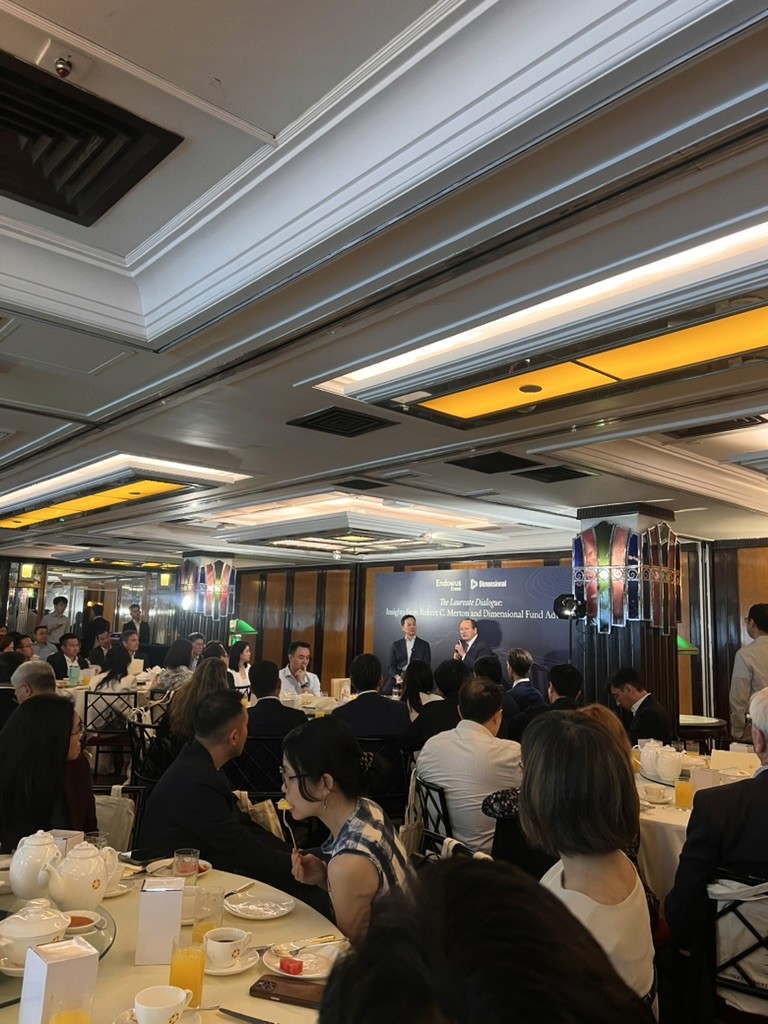
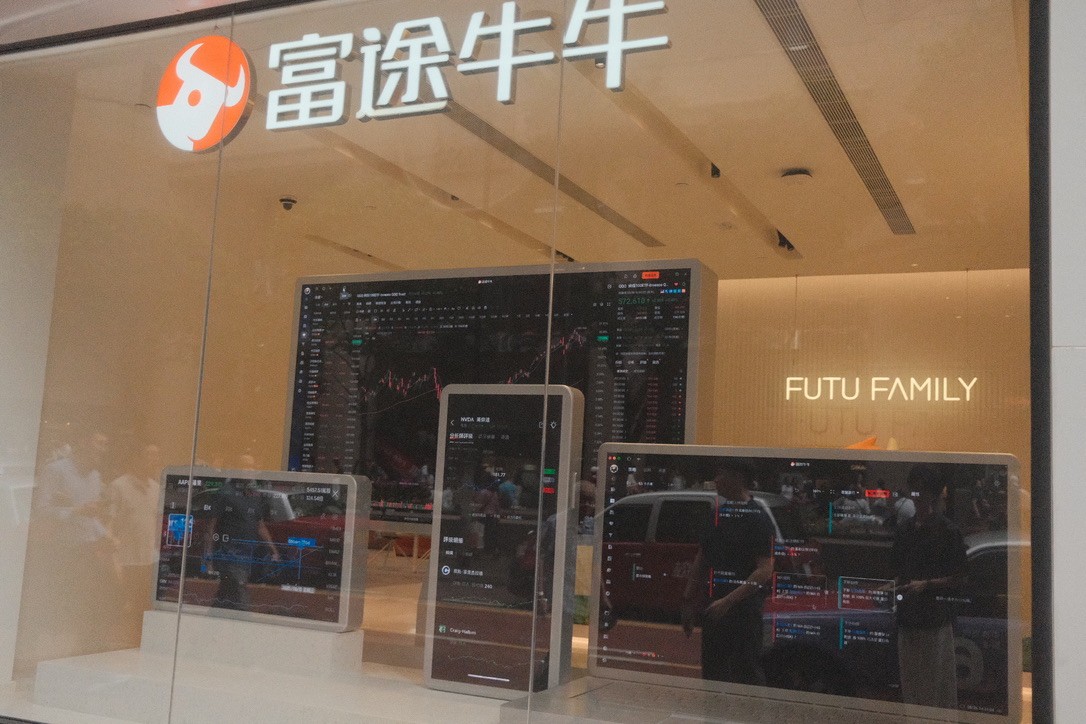
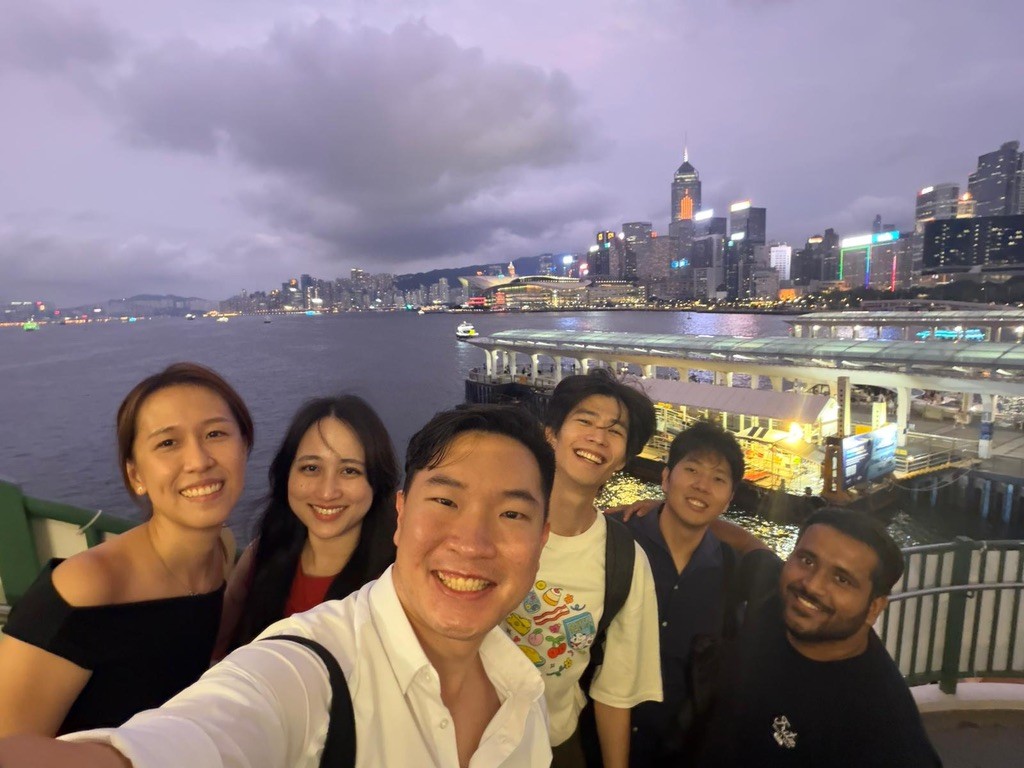
Going there on a work trip made the competitive landscape much more visceral. Finance is everywhere in the city, with insurance and brokerage ads shouting at you constantly. Walking around, sitting with our client experience and marketing teams, and attending our own client events, showed me things I had been reading as behaviours when there were really market context.
Behaviours like clients comparing brokerages, wealthy clients wanting hand-holding, people staying with a bank for relationship manager status rather than returns – these looked like what we keep in mind when working on designs. In Hong Kong, they revealed cultural insights in a market that has been burned before by various financial scams and now trusts longevity and regulatory credentials over experience.
I learnt that designing for a new market was not only about what clients do within the product, but also about what their environment has taught them to expect before they even begin their journey with us.